

The backbone of Venture Café – come meet the community and make connections with all different kinds of innovators. How will you make your serendipitous moment come true?
Klymatrix is a female-founded technology and consulting startup based in Boston, MA, founded by Dr. Gloria Schmitz, a Ph.D. scientist driven by a vision of circular, data-driven solutions to today's sustainability challenges. Born from a concern about the proliferation of single-use materials headed to landfills, Klymatrix develops eco-friendly products — including the proprietary Klymacup™, a targeted solution to the global waste crisis, and a full line of apparel and accessories made from certified organic cotton, 100% recycled polyester and aluminum, and compostable bioplastics — alongside consulting services tailored to the unique needs of businesses, organizations, and scientific research teams. At its core, Klymatrix believes that lowering costs, attracting conscious consumers, and helping the planet aren't competing goals — they're the same goal.
Climate commitments are everywhere—but the infrastructure behind them is often an afterthought. In this session, Amalie Gøperød, Managing Director of CEMAsys USA, brings a grounded, inside look at what it actually takes to build climate reporting that stands up under scrutiny. Drawing from her experience helping companies navigate frameworks like SB 253 and CSRD, she unpacks why so many organizations remain stuck in reactive cycles—rebuilding reports each year, chasing incomplete data, and struggling to align sustainability goals with business operations.
Rather than focusing on theory, this conversation centers on the systems that make credible reporting possible: how to structure emissions accounting across complex organizations, integrate ESG data into existing workflows, and manage the growing demands of Scope 3 and supply chain transparency. Amalie will also explore how companies can move beyond compliance-driven reporting toward something more strategic—turning regulatory pressure into a foundation for smarter decision-making and long-term value creation.
Whether you’re just beginning your reporting journey or looking to mature your approach, this session offers a practical lens on how to replace last-minute scrambles with consistent, auditable processes—and build climate commitments that hold up to regulators, investors, and your own ambitions.
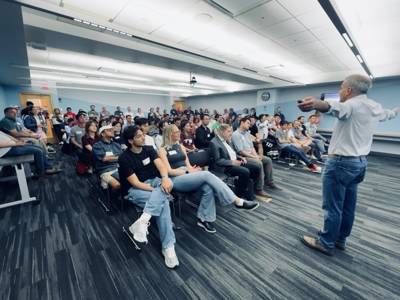
Step into the heart of Boston Climate Week and explore the organizations shaping what comes next. This is not a traditional session. Instead, it's an open, drop-in tabling experience designed for conversation, curiosity, and connection.
Throughout the space, you’ll find demo tables hosted by groups like SeaAhead, Ceres, Sierra Club, Massachusetts Clean Energy Center, BATWorks powered by CIC, and Pier 71. There’s no formal start time or program, just stop by any table that catches your interest, ask questions, and get a closer look at the work happening across the climate ecosystem.
Whether you stay for a few minutes or settle into deeper conversations, this is your chance to engage directly with the people behind the ideas, discover new opportunities, and find your entry point into climate work on your own terms.
See you there!
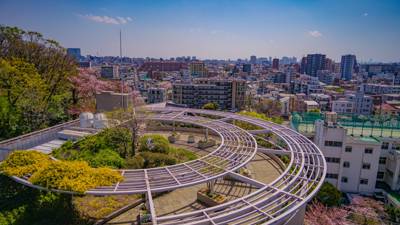
What if the flat rooftops that define much of Greater Boston’s housing stock could become vibrant, functional green spaces? From triple-deckers to small multifamily homes, these underutilized surfaces hold untapped potential to reduce urban heat, manage stormwater, and support biodiversity.
Join Cambridge resident and engineer, Nicolaii Cauchy for an intimate roundtable that explores what it would realistically take to make green residential roofs more common across the region. Drawing on decades of hands-on experience navigating building, design, and regulatory landscapes, our session leader will ground the discussion in real-world considerations—while opening the floor to new ideas, shared challenges, and creative problem-solving.
Together, we’ll examine the structural, policy, and financial factors that shape what’s possible, and highlight resources, tools, and pathways available to homeowners and communities interested in reimagining their rooftops. Whether you’re a resident, builder, policymaker, or simply curious, this is an opportunity to engage in a practical, forward-looking dialogue about how we can collectively transform overlooked spaces into assets for both people and the environment.

What does it actually take for climate tech companies to succeed—not just survive, but scale?
The answer isn’t just better technology or more capital—it’s the environments that surround them. The spaces where founders collide with the right partners, where ideas are tested against real-world constraints, and where innovation is shaped into something that can actually be adopted at scale.
This panel explores how those environments are intentionally built. From physical hubs to cross-sector networks, these ecosystems are redefining how climate companies grow—connecting startups to each other, to institutions, and to the larger systems they’re ultimately trying to change.
As new models for climate innovation take shape—from emerging hubs in New York City to established ecosystems in Boston—the conversation will examine how place, proximity, and design can accelerate collaboration, unlock opportunity, and turn early momentum into lasting impact.
Whether you’re building, supporting, or investing in climate solutions, this session offers a closer look at what it really takes to create the conditions for climate tech to thrive—and why those conditions matter now more than ever.
Featuring:
BATWorks — A climate innovation hub in New York City operated by CIC and NY Development Authority to bring together startups, industry, and community to accelerate scalable climate solutions.
SeaAhead — A Boston-based organization supporting ocean and climate tech startups through commercialization programs, partnerships, and ecosystem building.
Sierra Club — A national environmental organization advancing climate solutions through advocacy, community engagement, and policy leadership.
Ceres — A nonprofit working with companies, investors, and policymakers to drive sustainable business practices and accelerate the transition to a cleaner economy.
Pier 71 — A global maritime and port innovation ecosystem based in Singapore that connects startups with industry partners to advance decarbonization and ocean-related technologies.

Did you try a Klymacup while you were at Venture Café? This is your chance to meet the Founder and share your experience with their new product!


The backbone of Venture Café – come meet the community and make connections with all different kinds of innovators. How will you make your serendipitous moment come true?
Klymatrix is a female-founded technology and consulting startup based in Boston, MA, founded by Dr. Gloria Schmitz, a Ph.D. scientist driven by a vision of circular, data-driven solutions to today's sustainability challenges. Born from a concern about the proliferation of single-use materials headed to landfills, Klymatrix develops eco-friendly products — including the proprietary Klymacup™, a targeted solution to the global waste crisis, and a full line of apparel and accessories made from certified organic cotton, 100% recycled polyester and aluminum, and compostable bioplastics — alongside consulting services tailored to the unique needs of businesses, organizations, and scientific research teams. At its core, Klymatrix believes that lowering costs, attracting conscious consumers, and helping the planet aren't competing goals — they're the same goal.
Climate commitments are everywhere—but the infrastructure behind them is often an afterthought. In this session, Amalie Gøperød, Managing Director of CEMAsys USA, brings a grounded, inside look at what it actually takes to build climate reporting that stands up under scrutiny. Drawing from her experience helping companies navigate frameworks like SB 253 and CSRD, she unpacks why so many organizations remain stuck in reactive cycles—rebuilding reports each year, chasing incomplete data, and struggling to align sustainability goals with business operations.
Rather than focusing on theory, this conversation centers on the systems that make credible reporting possible: how to structure emissions accounting across complex organizations, integrate ESG data into existing workflows, and manage the growing demands of Scope 3 and supply chain transparency. Amalie will also explore how companies can move beyond compliance-driven reporting toward something more strategic—turning regulatory pressure into a foundation for smarter decision-making and long-term value creation.
Whether you’re just beginning your reporting journey or looking to mature your approach, this session offers a practical lens on how to replace last-minute scrambles with consistent, auditable processes—and build climate commitments that hold up to regulators, investors, and your own ambitions.
Step into the heart of Boston Climate Week and explore the organizations shaping what comes next. This is not a traditional session. Instead, it's an open, drop-in tabling experience designed for conversation, curiosity, and connection.
Throughout the space, you’ll find demo tables hosted by groups like SeaAhead, Ceres, Sierra Club, Massachusetts Clean Energy Center, BATWorks powered by CIC, and Pier 71. There’s no formal start time or program, just stop by any table that catches your interest, ask questions, and get a closer look at the work happening across the climate ecosystem.
Whether you stay for a few minutes or settle into deeper conversations, this is your chance to engage directly with the people behind the ideas, discover new opportunities, and find your entry point into climate work on your own terms.
See you there!
What if the flat rooftops that define much of Greater Boston’s housing stock could become vibrant, functional green spaces? From triple-deckers to small multifamily homes, these underutilized surfaces hold untapped potential to reduce urban heat, manage stormwater, and support biodiversity.
Join Cambridge resident and engineer, Nicolaii Cauchy for an intimate roundtable that explores what it would realistically take to make green residential roofs more common across the region. Drawing on decades of hands-on experience navigating building, design, and regulatory landscapes, our session leader will ground the discussion in real-world considerations—while opening the floor to new ideas, shared challenges, and creative problem-solving.
Together, we’ll examine the structural, policy, and financial factors that shape what’s possible, and highlight resources, tools, and pathways available to homeowners and communities interested in reimagining their rooftops. Whether you’re a resident, builder, policymaker, or simply curious, this is an opportunity to engage in a practical, forward-looking dialogue about how we can collectively transform overlooked spaces into assets for both people and the environment.
What does it actually take for climate tech companies to succeed—not just survive, but scale?
The answer isn’t just better technology or more capital—it’s the environments that surround them. The spaces where founders collide with the right partners, where ideas are tested against real-world constraints, and where innovation is shaped into something that can actually be adopted at scale.
This panel explores how those environments are intentionally built. From physical hubs to cross-sector networks, these ecosystems are redefining how climate companies grow—connecting startups to each other, to institutions, and to the larger systems they’re ultimately trying to change.
As new models for climate innovation take shape—from emerging hubs in New York City to established ecosystems in Boston—the conversation will examine how place, proximity, and design can accelerate collaboration, unlock opportunity, and turn early momentum into lasting impact.
Whether you’re building, supporting, or investing in climate solutions, this session offers a closer look at what it really takes to create the conditions for climate tech to thrive—and why those conditions matter now more than ever.
Featuring:
BATWorks — A climate innovation hub in New York City operated by CIC and NY Development Authority to bring together startups, industry, and community to accelerate scalable climate solutions.
SeaAhead — A Boston-based organization supporting ocean and climate tech startups through commercialization programs, partnerships, and ecosystem building.
Sierra Club — A national environmental organization advancing climate solutions through advocacy, community engagement, and policy leadership.
Ceres — A nonprofit working with companies, investors, and policymakers to drive sustainable business practices and accelerate the transition to a cleaner economy.
Pier 71 — A global maritime and port innovation ecosystem based in Singapore that connects startups with industry partners to advance decarbonization and ocean-related technologies.
Did you try a Klymacup while you were at Venture Café? This is your chance to meet the Founder and share your experience with their new product!