
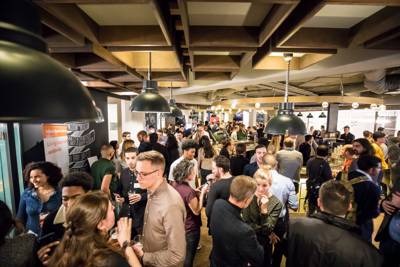
The backbone of Venture Café – come meet the community and make connections with all different kinds of innovators. How will you make your serendipitous moment come true?

We have more health information than ever, from sleep tracking and biomarkers to increasingly personalized recommendations. Yet many of us still feel tired, distracted, overstimulated, and disconnected from the practices that help us think and feel our best.
More than 2,400 years ago, Hippocrates used diaita, the origin of “diet,” to describe a way of life: how we eat, move, rest, relate, engage with our environment, and create the conditions for health.
Drawing on her background in archaeology and culinary nutrition, Lisa Roberts connects ancient approaches to well-being with current research on brain health, food, movement, nature, social connection, rest, and daily practices. Rather than adding more tasks to busy lives, the session asks: How do we turn what we know into a way of living we can sustain?
For people navigating high-responsibility, complex lives, the session offers practical ways to support cognitive health, focus, energy, and resilience without treating well-being as another optimization project.
The conversation will then look forward. As AI expands what is possible in health, we’ll turn the question to the room:
- What can ancient ways of living teach us about the distinctly human challenge of putting knowledge into practice?
- Where might AI strengthen, extend, or reimagine these long-standing principles of well-being?
Together, we'll imagine new use cases and explore what the next chapter of well-being could look like.
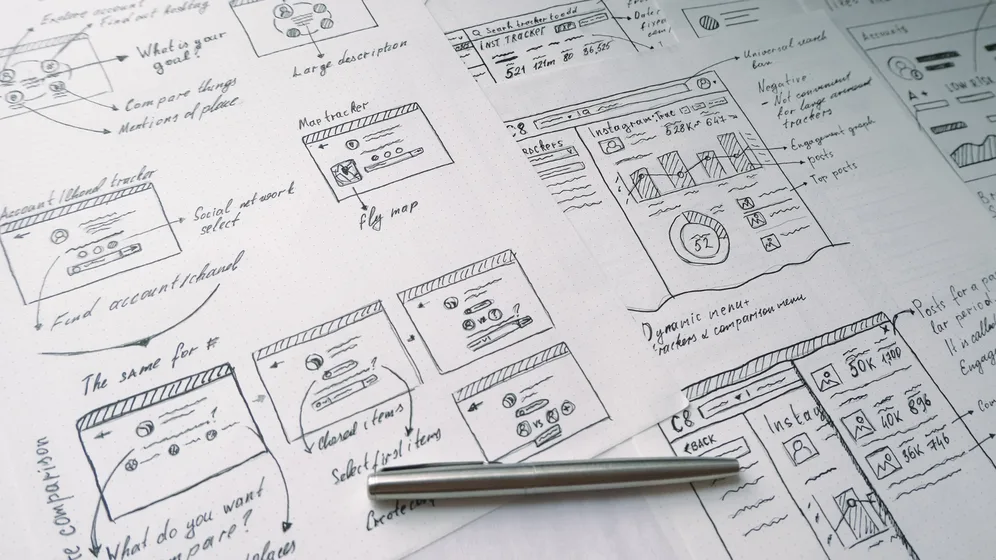
Health tech forces you to design for extremes: a 75-year-old farmer with hand tremors, a stressed patient managing a chronic illness, a market where localization isn't optional. This session is for anyone building products for hard-to-serve or vulnerable users, not just in health.
Piotr Zajac and Krzysztof Kaiser, from Monterail's team in the EU, share what building 75+ health tech products and 15+ connected medical devices across both European and US markets taught them about the gap between AI-generated interfaces and what actually works. Using real case studies, including an invisible hearing aid that broke a decades-old stigma and a smart walker where "no app" was the right call, they unpack decisions AI defaults get wrong: onboarding that builds trust instead of harvesting data, friction that helps rather than hurts, and cognitive load for users who are stressed, tired, or overwhelmed.
You’ll leave with a practical checklist: five design principles for any product serving a difficult, sensitive, or high-stakes audience. Learn how to recognize when simplicity means removing technology rather than adding it, when personalization becomes intrusive, and how to design experiences that earn trust across abilities, cultures, and levels of digital confidence.
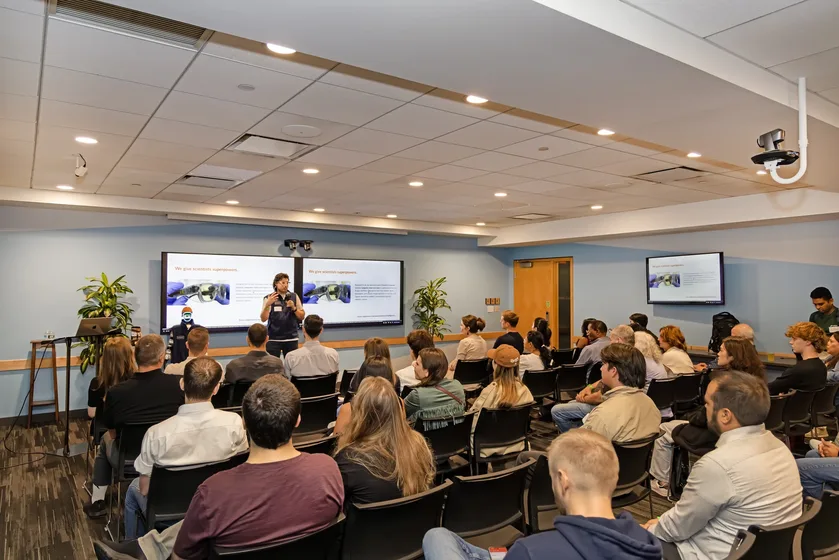
Come see AI that's out in the world. Founders from Boston and South Florida will skip the pitch and show you their working products, plus what they've learned about pilots, pricing, and getting customers to pay. Then they will bring perspectives from AI infrastructure, commercialization, and venture readiness.
Meet the founders, try the tech, and connect across ecosystems. Whether you're a founder, operator, investor, or just curious, you'll leave with a clearer path from prototype to paying customer!


The backbone of Venture Café – come meet the community and make connections with all different kinds of innovators. How will you make your serendipitous moment come true?
We have more health information than ever, from sleep tracking and biomarkers to increasingly personalized recommendations. Yet many of us still feel tired, distracted, overstimulated, and disconnected from the practices that help us think and feel our best.
More than 2,400 years ago, Hippocrates used diaita, the origin of “diet,” to describe a way of life: how we eat, move, rest, relate, engage with our environment, and create the conditions for health.
Drawing on her background in archaeology and culinary nutrition, Lisa Roberts connects ancient approaches to well-being with current research on brain health, food, movement, nature, social connection, rest, and daily practices. Rather than adding more tasks to busy lives, the session asks: How do we turn what we know into a way of living we can sustain?
For people navigating high-responsibility, complex lives, the session offers practical ways to support cognitive health, focus, energy, and resilience without treating well-being as another optimization project.
The conversation will then look forward. As AI expands what is possible in health, we’ll turn the question to the room:
- What can ancient ways of living teach us about the distinctly human challenge of putting knowledge into practice?
- Where might AI strengthen, extend, or reimagine these long-standing principles of well-being?
Together, we'll imagine new use cases and explore what the next chapter of well-being could look like.
Health tech forces you to design for extremes: a 75-year-old farmer with hand tremors, a stressed patient managing a chronic illness, a market where localization isn't optional. This session is for anyone building products for hard-to-serve or vulnerable users, not just in health.
Piotr Zajac and Krzysztof Kaiser, from Monterail's team in the EU, share what building 75+ health tech products and 15+ connected medical devices across both European and US markets taught them about the gap between AI-generated interfaces and what actually works. Using real case studies, including an invisible hearing aid that broke a decades-old stigma and a smart walker where "no app" was the right call, they unpack decisions AI defaults get wrong: onboarding that builds trust instead of harvesting data, friction that helps rather than hurts, and cognitive load for users who are stressed, tired, or overwhelmed.
You’ll leave with a practical checklist: five design principles for any product serving a difficult, sensitive, or high-stakes audience. Learn how to recognize when simplicity means removing technology rather than adding it, when personalization becomes intrusive, and how to design experiences that earn trust across abilities, cultures, and levels of digital confidence.
Come see AI that's out in the world. Founders from Boston and South Florida will skip the pitch and show you their working products, plus what they've learned about pilots, pricing, and getting customers to pay. Then they will bring perspectives from AI infrastructure, commercialization, and venture readiness.
Meet the founders, try the tech, and connect across ecosystems. Whether you're a founder, operator, investor, or just curious, you'll leave with a clearer path from prototype to paying customer!